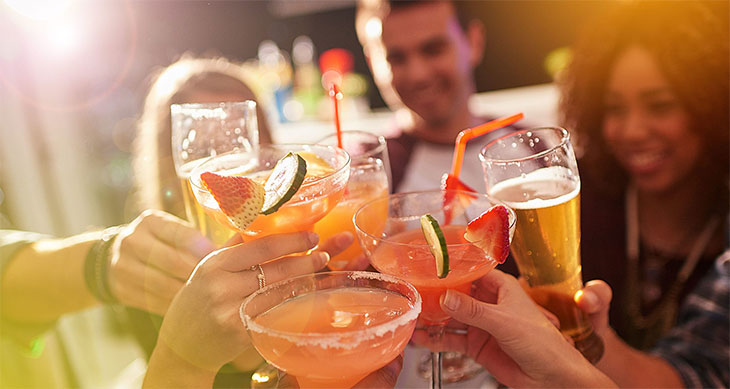
15 Oct How is Gen Z approaching beverage alcohol?
IWSR data shows that a significant proportion of LDA Gen Z consumers are now avoiding alcohol altogether, although there are wide variations between countries...

IWSR data shows that a significant proportion of LDA Gen Z consumers are now avoiding alcohol altogether, although there are wide variations between countries...

There is a widespread perception that in times of economic hardship or general turbulence, sales of luxury goods will be among the first to decline. Not so with top-end alcoholic beverages....

thefoodpeople is a vast UK-based resource on international drink and food trends and innovation, with a lot of it free. Here are some snippets from it's latest drinks category report...
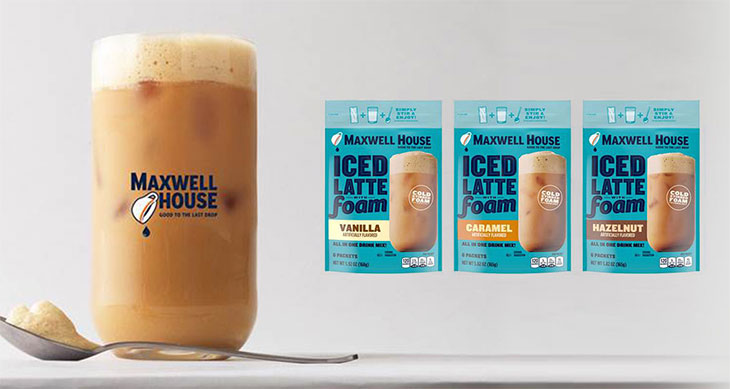
At 131 years old, Maxwell House is no spring chicken, and most of its loyal drinkers aren’t either. But Kraft Heinz is looking to revive the coffee brand by appealing to younger consumers with its new iced latte with foam, its first product launch in nearly a decade.
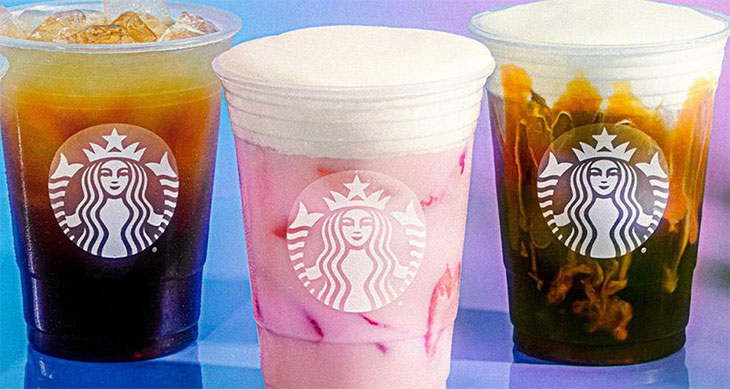
Cold drinks are hotter than ever - interesting trend reshaping coffee in the US....

With the cost of living crisis has seen particularly hard on food and drink prices in the past 18 months, some producers have responded by reducing the size of their products, while keeping prices the same – known as “shrinkflation”. Enter. too, now drinkflation....

The “rapid rehydration” segment is becoming a crowded category in the US....
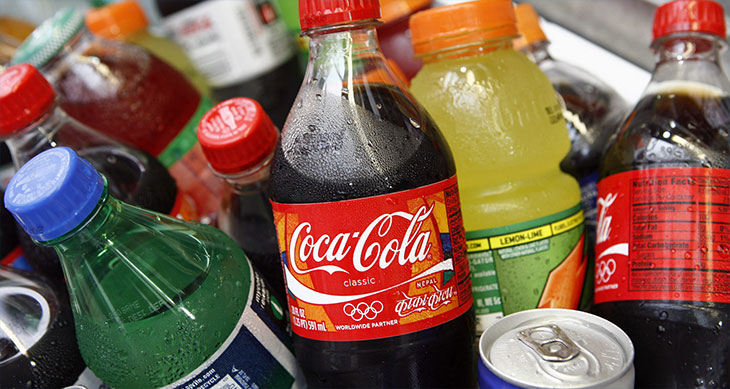
Both globally and locally, the Carbonated Soft Drinks (CSD) market is witnessing a shift in consumer preferences from traditional high sugar, caffeinated soft drinks to healthier variations, driven by ongoing health concerns.

According to Euromonitor International's latest research, South Africa's soft drinks industry experienced stronger sales growth in 2022 compared to previous years. Off-trade sales reached 6.7 billion litres, marking a significant 5.2% increase from 2021.

The South African 100% pure juice market grew by 9.5% in the 12 months to the end of March 2023 and is now worth R7.9-billion in annual sales, according to new data analysis by NIQ.

The trends that have previously shaped the global beverage alcohol marketplace will be transformed over the next five years as the world emerges from the Covid-19 pandemic, and into a period of growing economic instability.
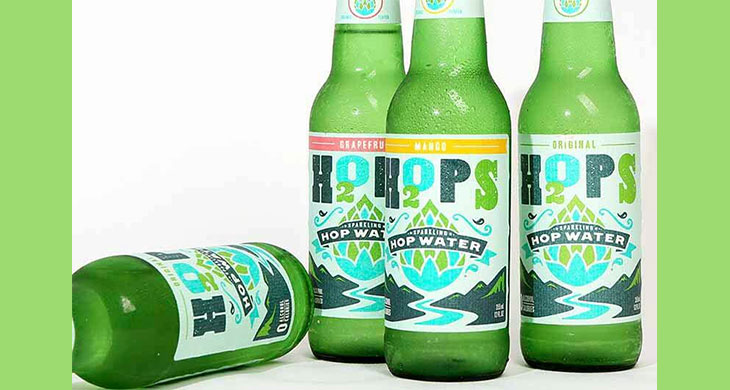
Hop water is on the move, well, hopping! This carbonated non-alcoholic water flavoured with infused hops is gaining popularity as a healthier alternative to traditional beer.

More people than ever are choosing a cup of tea over alcohol, and the generation that’s most likely to make the switch are Millennials aged between 26 and 41.

Overall, the short- and medium-term trend for wine is challenging, with the long-term trend of slowly-declining volumes in many markets expected to continue.

The world certainly changed over the last three years as a result of the global pandemic and the war in Ukraine - here Maijaliina Hansen-Chipps, marketing category lead for RTDs at Distell, offers these trend insights....

Plastic straws have become the poster child of waste, and most alternatives have their own issues. Now, a start-up ia crowdfunding an intriguing solution that fights the plastic straw boogeyman and keeps drinks cool at the same time – the Ice Straw.

Many consumers want the mental focus of caffeine without the jitters, prompting a wave of product development such as “half caffeine” ground coffee or ready-to-drink (RTD) cold brew blended with relaxing botanicals.

The trends that have previously shaped the global beverage alcohol marketplace will be transformed over the next five years as the world emerges from the Covid-19 pandemic and into a period of growing economic instability.

Firmenich, the world’s largest privately-owned fragrance and taste company, has delcared its 2023 Flavour of the Year, dragon fruit, celebrating consumers’ desire for exciting new ingredients and bold, adventurous flavour creation.

With scientific research suggesting that no amount of alcohol is technically good for you, hard-drinking baby boomers are giving way to more sober millennials and Gen Z consumers who temper alcohol consumption in the name of wellness.