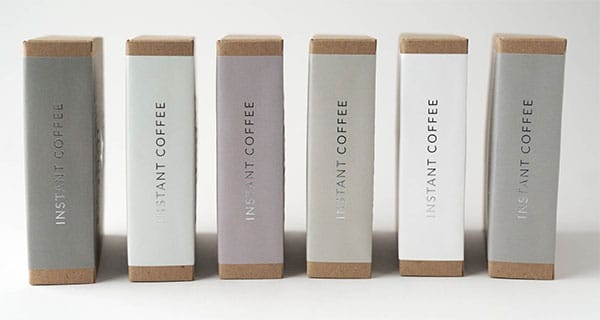
16 Sep Specialty instant coffee startups on the disruption trail
Premium instant coffee. It sounds contradictory at first. Does such a thing even exist?
Premium instant coffee. It sounds contradictory at first. Does such a thing even exist?
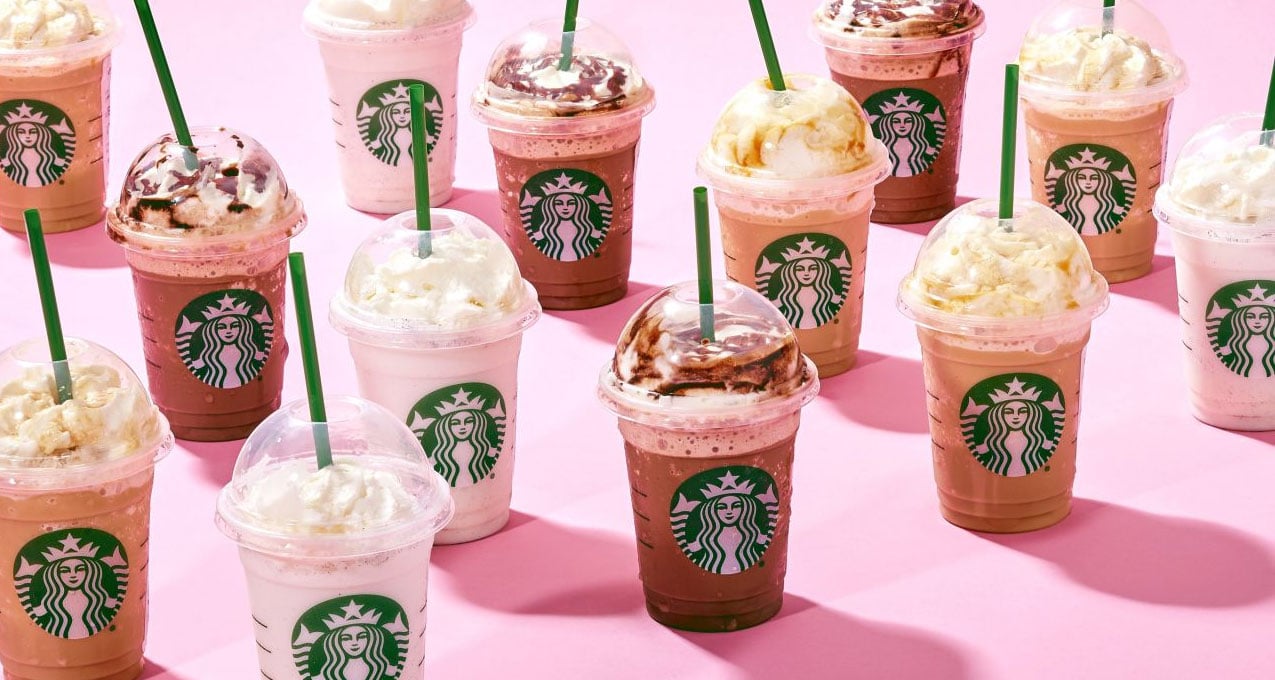
Starbucks has put its popular and super-decadent Frappuccino through a calorie makeover, looking to reduce the drink’s high sugar levels that have scared away increasingly health-conscious consumers and hurt sales.
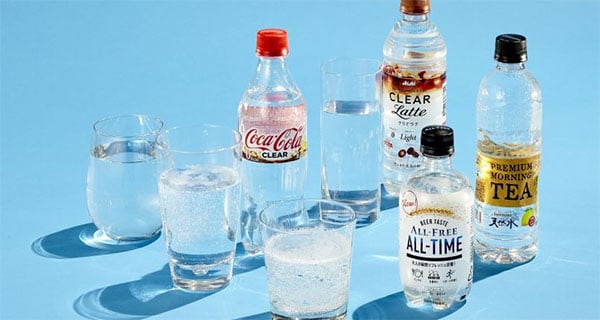
Japanese beverage makers are increasingly producing products that look like water but taste like other drinks, betting that consumers want the taste of Coke or beer in a healthier-looking clear liquid.
The UK [and SA] sugar tax, which came into force in April 2018, has profoundly changed the outlook of the beverage industry. Some say that a wave of legislation is being driven by millennial concerns.
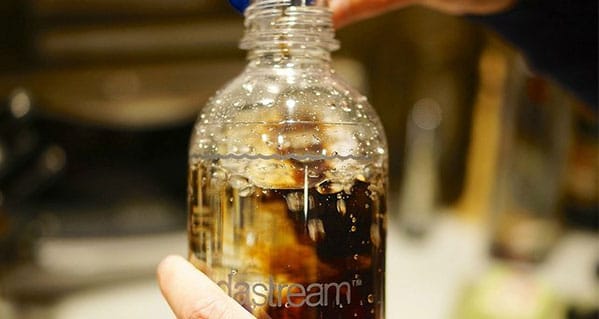
SodaStream has built a modern blended retail model that goes beyond traditional outlets and ecommerce.

Millennials are creating a mounting crisis for some of the most iconic beer brands in America.
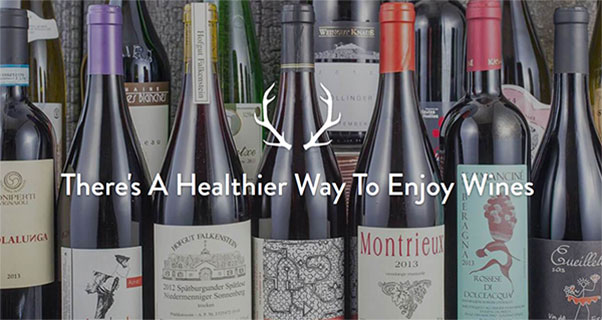
Here's an interesting take on hangover-free wine: produce it so that it creates all of the pleasures but none of the after affects associated with imbibing alcohol... and it's dead-on trend with five key market-defining characteristics: authentic, natural, clean label, healthy, low sugar.

Powered by lactose-free innovation, dairy is challenging the surging growth of plant milks, with US sales of lactose-free milk set to catch up with – and perhaps even overtake – almond milk, reports New Nutrition Business.
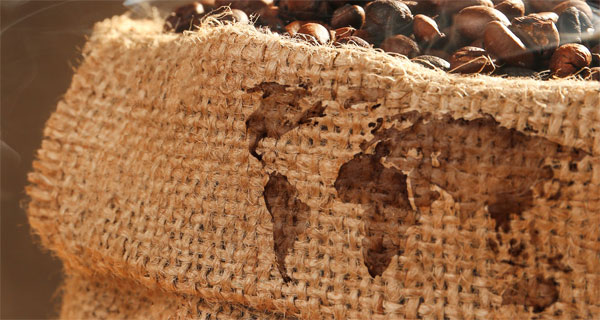
RaboResearch's new report “How Coffee Will Look Different in Ten Years: Consumer-Driven Changes Will Reshape the Coffee World”, looks a decade ahead at key changes that could stir up the coffee market.

According to latest research from Mintel Global New Products Database (GNPD), cold coffee has drinkers buzzing, as around one in five (19%) global new coffee launches was iced, ready-to-drink (RTD) in 2017, up from 16% in 2015.

The South African consumer landscape is set for a multitude of shifts in the next ten years, not least of which is the maturing of the local market with growth in the Generation X (35-49 year old) market segment set to outpace that in the Generation Y Millennial age group (26-34).

Millennials are turning the ancient beverage on its head — and crème brûlée and cream cheese toppings are just the beginning.

Australians are ditching skim milk and other low-fat dairy options and in favour of regular, full-cream milk as consumer appetites shift towards wholefood, ‘clean-eating’ diets.

Responding to a consumer desire for smaller bottles in order to both cut down on waste and curb their midweek drinking, leading UK supermarkets are jumping on the smaller-serving trend.
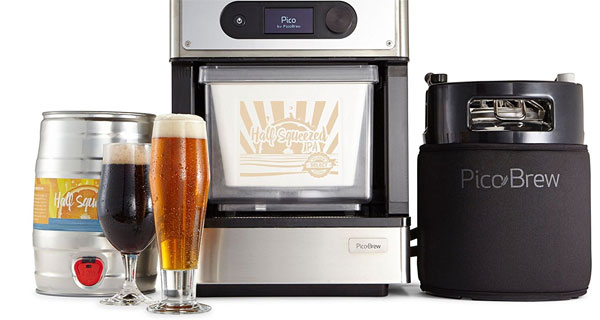
Tech has infiltrated the home-brewing space with digital tabletop brewing devices poised to be the next frontier of the beer industry as consumers look for a more personalised beer drinking experience, says Euromonitor senior alcoholic drinks analyst, Spiros Malandrakis.

Matcha is in lattes, smoothies, cocktails and face masks — and that's just the beginning. But what is it and why is it everywhere?

More and more consumers are turning to veganism, providing an opportunity for soft drinks producers, says this expert soft drinks commentator.

What trends can the beer, spirits and wine sectors expect to shape the year ahead? Here, Euromonitor's senior alcoholic drinks analyst, Spiros Malandrakis, previews, in lyrical style, what 2018 has in store.

JWT's Innovation Group has again published its always fabulous report, The Future 100 2018, an annual snapshot of the year ahead and the most compelling trends to keep on the radar. Food and drink make up a sizeable part of its cutting-edge insights.
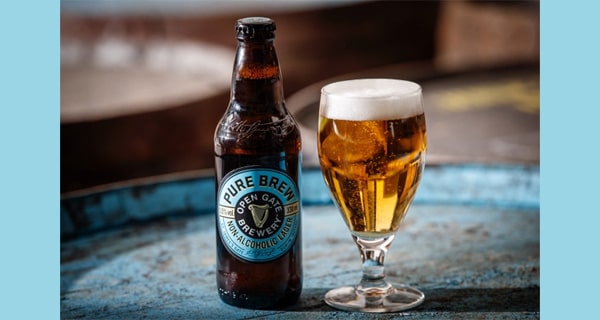
Guinness is the latest brand to bolster its teetotal drinks offering after launching a new non-alcoholic beer it claims doesn’t compromise on flavour.