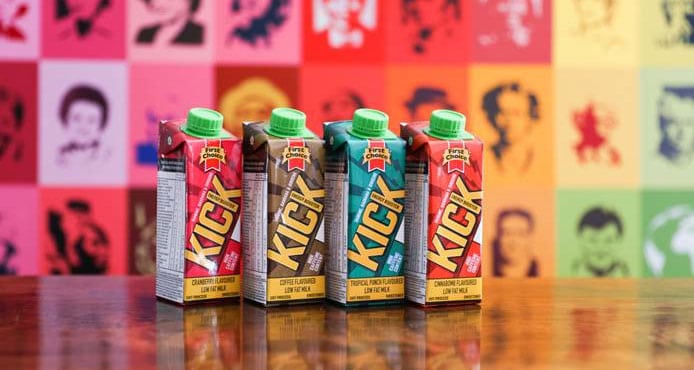
17 Sep Woodlands Dairy takes energy concept to milk
Woodlands Dairy, one of the largest dairy manufacturers in South Africa, has launched Kick, a brand new milk-based energy drink under its First Choice brand.
Woodlands Dairy, one of the largest dairy manufacturers in South Africa, has launched Kick, a brand new milk-based energy drink under its First Choice brand.

Last week, Pioneer Foods recalled a batch of its LiquiFruit Red Grape 330ml cans, after reports that the drinks contained pieces of glass. Not so fast...
The marketing of alcohol brands has had to adapt significantly during the COVID-19 lockdown and the subsequent bans on alcohol sales, with a renewed focus on ensuring the creation of an alcohol-safe South Africa.
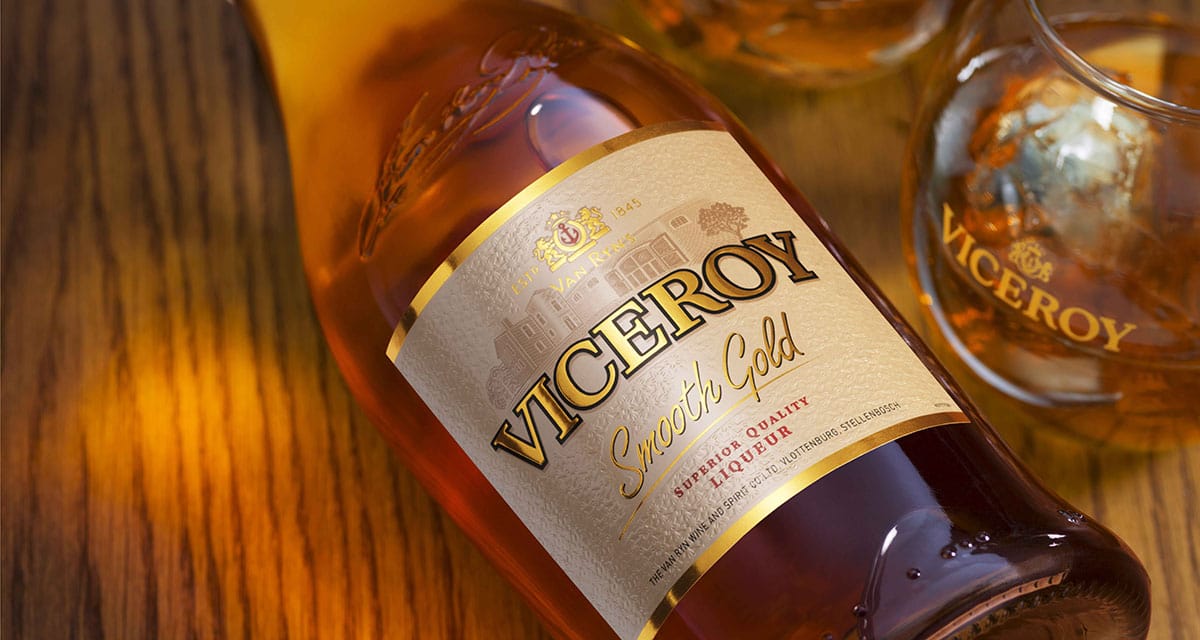
Distell brand Viceroy Brandy has joined the global trend to lower alcohol innovation with a new addition to its range, Viceroy Smooth Gold.

The e-Food & Hospitality Next Africa Summit runs through 1–30 September 2020 delivering curated content, learning and info for Africa’s food, beverage and hospitality industries.

Distell has publicised shocking Covid lockdown Prohibition losses: about 100-million litres in sales and R4.3-billion in revenue - and this excludes the second ban on alcohol sales introduced in July to take pressure off hospitals.

Spain’s Iberchem Group is expanding its presence on the South African foodbev market with the creation of Iberchem South Africa, taking full ownership of Versachem after buying a majority 70% share of the Pretoria-based food flavour-colours business just over two years ago.

Five years after opening its first stores in South Africa, Starbucks will soon have outlets in Cape Town for the first time.
The South African alcohol industry has commited to invest no less than R150m in direct harm-reduction programmes over the coming year.

For those caught in the eye of the alcohol ban storm, what we know for sure is that there may be no local economy left to support or buy from in the near future. Here's a great opinion piece by Lorna Scott, founder of famous Inverroche gin.
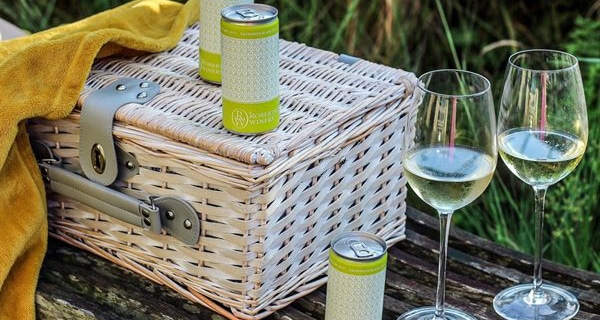
Robertson Winery has joined the growing canned wine trend, with the launch of Single Serve 200ml wines that made their debut just before lockdown.

South Africa’s polyethylene terephthalate (PET) bottle recycling achievements continue to impress, despite global market contractions and the closure of a leading recycler, Mpact Polymers.

Government and the South African wine industry should have tackled one evil feature of local wine consumption years ago. If it had, the current hard-handed approach to liquor might have been less destructive and invasive.

The alcohol industry has some big guns in its arsenal as it gears up for a war with Nkosazana Dlamini Zuma — but its star witness in the case which begins on August 18 will surely be the country’s highest rated retailer: former Shoprite CEO Whitey Basson.

The South African Breweries (SAB) says it has cancelled R2.5-billion of scheduled investments that were earmarked as part of its annual capital and infrastructure upgrade programme.

In a News24 article Alan Winde, premier of the Western Cape, draws on provincial research that illustrates the heavy burden of alcohol-related trauma on hospitals, but argues that a long-term ban on alcohol is a blunt instrument that will not solve South Africa’s alcohol problem.

To help support the struggling South African wine industry, Waitrose has launched a curated case of wines with a 25% discount for its customers for a limited time.
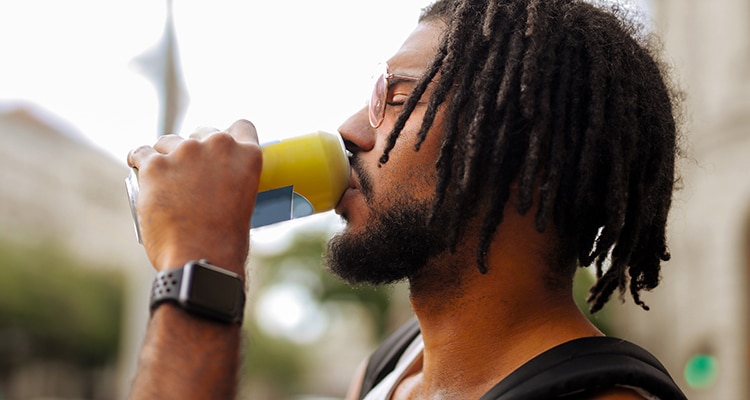
Today’s consumer expects more from their beverage. No longer can a drink just be a thirst quencher or a quick pick-me-up. Hot tea should deliver relaxing effects while fruit juices should have an authentic, natural taste. By the same token, these higher consumer expectations extend to energy drinks.

FUTURELIFE, a leading functional foodbev brand in SA, has launched High Protein Shake, supplied in a novel dual pack that transforms into a ready-to-drink.

South Africa's entry into an era of liquor prohibition saw a loss of R20bn in alcohol sales, equating to R304m per day, during the first nine weeks of lockdown. With a second embargo now in place, the country will lose a further R10bn for every month the ban continues.