
28 Mar Mintel’s top global packaging trends for 2019 and beyond
Mintel, the world’s leading market intelligence agency, has today (26 March 2019) announced four trends impacting the global packaging industry in 2019 and beyond.



Mintel, the world’s leading market intelligence agency, has today (26 March 2019) announced four trends impacting the global packaging industry in 2019 and beyond.

Here are the winners of the NextGen Cup Challenge - an open-sourced, global innovation challenge to redesign the fibre takeout cup and create a widely recyclable and/or compostable cup.

Following recent outbreaks of listeria and salmonella in South Africa, food safety has come under the spotlight, particularly within food-beverage manufacturing environments. This article discusses the role of machinery lubricants in achieving optimal safety.

With food safety and factory hygiene the flashing stars atop the SA food industry's priority pyramid, there was never a more apt time for the relaunch of Carbotect, an innovative, locally-developed factory hygiene management tool that offers a multitude of benefits.
SA's Institute of Packaging (IPSA) hosts the country's packaging Oscars, an event promoting and encouraging world-class excellence in packaging design and technology in this country. Now held every year, the 2018 Gold Pack Awards Banquet was held recently in Jo'burg, and here is news of the beverage-related winners...

It is time to find truth and balance in the myriad calls for plastics to be replaced with alternatives or degradable versions. If we don’t, we risk setting policies, formulating regulations, enacting legislation and investing in technologies that will do more harm than good, asserts SA National Bottled Water Association executive director, Charlotte Metcalf.

In search of optimum tropical fruit expression, Thys Louw from Diemersdal Estate has successfully experimented in making the first South African Sauvignon Blanc by fermenting grape must that was frozen after harvesting.
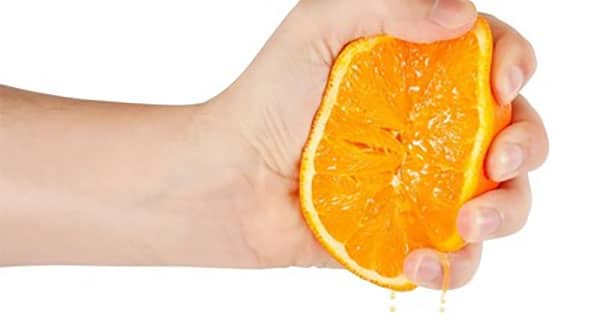
Could there not be a more on-trend innovation than this! Israeli start-up, Better Juice, has developed innovative technology to reduce the load of simple sugars in orange juice.
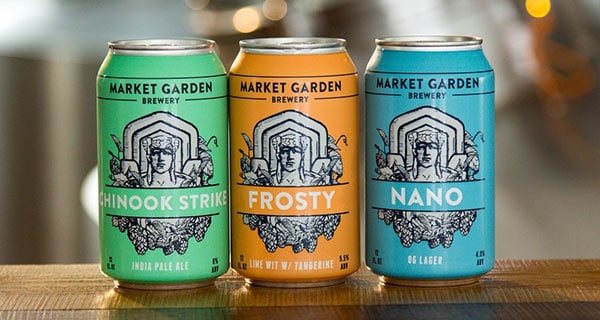
Canning is now much more accessible for local craft beer brewers with HG Molenaar’s Packaging Equipment division reporting that it is is supporting the CB50 filler and seamer from Pneumatic Scale Angelus.

At the fdt Africa 2018 expo recently, a standout product for this editor was the first public showing in SA of CO2Sustain, a new anti-foaming processing aid that creates impressive improvements in carbonated beverage production efficiencies and end-use consumer enjoyment.
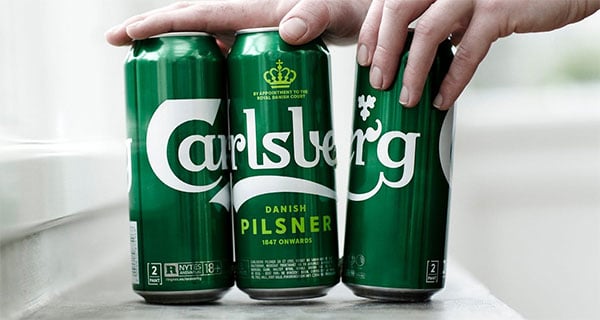
The Ocean Cleanup barge is currently on its way to tackle the Great Pacific Garbage Patch, but it never hurts to find ways to reduce plastic before it gets into the sea. In that vein, Danish beermaker Carlsberg has announced the Snap Pack, a simple alternative to plastic six-pack rings.

And the companies are inviting all of their competitors in the industry to join in....

Yili, a leading Chinese dairy manufacturer, has launched what is claimed to be the world’s first ambient drinking yogurt with large fruit and cereal pieces - thanks to new Tetra Pak technology.

Light triggers chemical reactions that make beer taste like skunk spray and onions... what packaging is best for optimal beer? Scientific American offers the answers...

A US technology firm is hoping to make a very old idea finally work by launching self-heating drinks cans. HeatGenie recently received US$6m to bring its can design to market in 2018, more than 15 years after Nestle abandoned a similar idea.
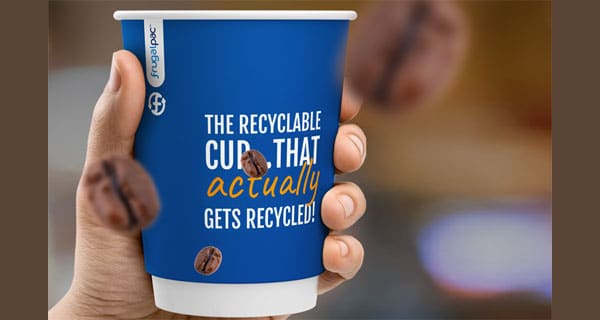
The war on plastic waste will be massively boosted in coffee-crazed Britain with the impending launch of the world’s first easy-to-recycle coffee cup, the Frugal Cup, the brainchild of Frugalpac.

Can sequencing a vineyard’s microbiome make it possible to reverse engineer a fine wine?
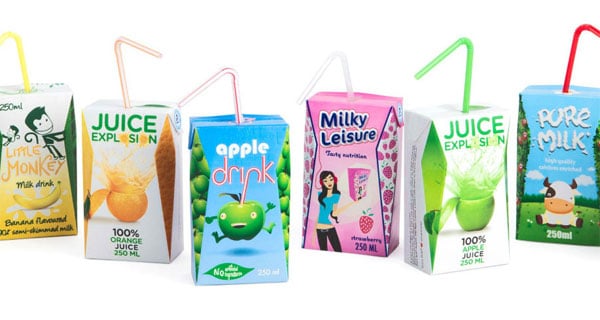
Tetra Pak says it aims to launch a paper straw suitable for its portion-sized carton packages before the end of the year, as part of a broader programme to help address the issue of plastic straw waste.
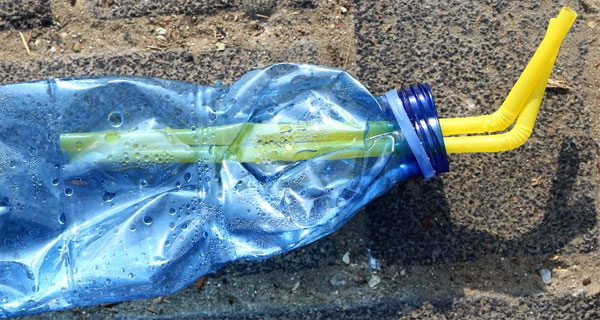
Researchers in the UK and the US have inadvertently engineered an enzyme that eats up plastic. The enzyme is able to digest PET (polyethylene terephthalate) — the same material used in the ubiquitous plastic bottle that's clogging up landfills, coastlines and oceans around the world.

AB InBev has developed a new brewing method which will reduce its CO2 emissions by approximately 5% once the technique is utilised in its entire brewery network.