


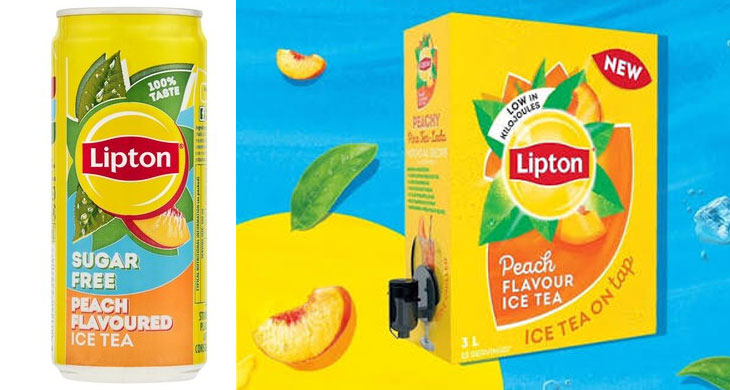
31 Aug 2026 Unilever is keeping Lipton Ice Tea
While Unilever is shedding iconic food brands, its partnership with PepsiCo will ensure the iced tea giant remains a cornerstone of its beverage strategy…..
Unilever has confirmed that Lipton Ice Tea will remain co-owned with PepsiCo under their Pepsi Lipton joint venture, even as Unilever offloads much of its food portfolio to McCormick.
The iced tea brand has been deliberately left out of the deal, highlighting its distinct positioning in the beverage category.
Unilever has explained that ready-to-drink beverages differ fundamentally from its core foods portfolio, making Lipton Ice Tea unsuitable for inclusion in the transaction.
The Pepsi Lipton joint venture
- Joint venture structure: Lipton Ice Tea is managed through Pepsi Lipton, a standalone company jointly owned by Unilever and PepsiCo.
- Global reach: The venture operates across five regions — North America, ESSA (Europe & Sub-Saharan Africa), Latin America, AMEA (Africa, Middle East & Asia), and Greater China.
- Autonomy: Pepsi Lipton has its own board and entrepreneurial setup, giving it operational independence while benefiting from the backing of two global giants.
Unilever’s tea legacy
In 2021, Unilever sold most of its traditional tea brands, including PG Tips, to CVC Capital Partners. While Lipton’s hot tea business was part of that divestment, Lipton Ice Tea remained under Pepsi Lipton.
Traditional tea sales have struggled in markets like the UK, where younger consumers increasingly prefer coffee. By contrast, iced tea continues to resonate with health-conscious and younger demographics.
For Unilever, its retaining of Lipton Ice Tea ensures continued presence in beverages, balancing its exit from much of the food sector. For PepsiCo, the partnership strengthens its non-carbonated portfolio, aligning with consumer demand for healthier, refreshing options.
Additionally, Lipton Ice Tea, alongside sister brands like Pure Leaf and Brisk, remains a global leader in ready-to-drink tea, with strong growth potential in emerging markets.
Source: FoodNavigator.com