


29 Jun 2025 UK: Good-bye to the pint?
As the cost of a pint hits £5-£8, pub owners are having to be inventive to keep customers….
Few symbols are as closely tied to British pub culture as the humble pint. For generations, it’s been the standard measure for beer, synonymous with the pub-going experience across the UK.
But as beer prices climb to unprecedented levels, an increasing number of customers are opting for smaller servings. One particular alternative — the “schooner,” which holds two-thirds of a pint — is gaining popularity among both drinkers and publicans.
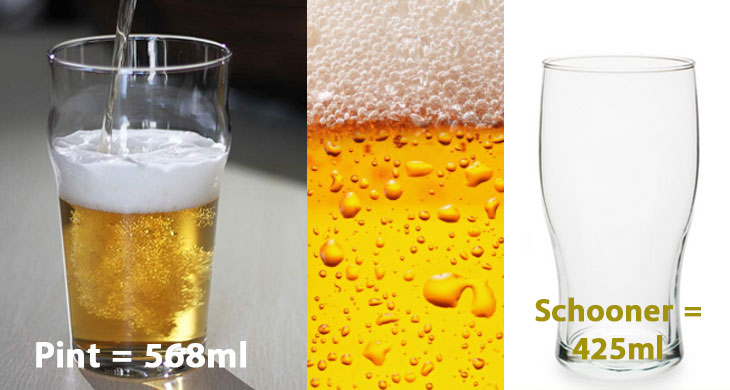
The British Imperial pint is 568ml, while in the UK, a schooner is approximately two-thirds the size of an Imperial pint at 425ml.
According to Gabor Csupity from the Friendship Pub Company, which manages a network of London pubs, “Two-thirds is becoming more common, regardless of the beer type.”
The driving force behind this trend? “It really comes down to the cost.”
With average pint prices exceeding £5 nationwide and reaching £7 or even £8 [R168 – R192] in London, many customers are rethinking their traditional pint orders. A schooner offers a way to enjoy beer at a lower cost per drink without fully downsizing to a half-pint.
The surge in pint prices
Rising costs across the hospitality sector — driven by higher energy bills, increased staffing expenses, and tax pressures — have pushed pub owners to raise prices. Even large chains like JD Wetherspoon, known for competitive pricing thanks to their scale, are feeling the pinch. Independent pubs, which lack such bargaining power, face even greater challenges.
To soften the blow for consumers, many venues are getting creative. Smaller pours are one tactic that seems to be working. Author and beer expert Mark Dredge notes that schooners feel like a natural fit in the hand — offering more than a half pint, but not quite the commitment of a full one.
James Ratcliffe, co-owner of The Black Bull in Cumbria, says the introduction of schooners helps keep spending manageable. “It’s a bit more than a half but easier on the wallet than a pint,” he explains.
Csupity agrees, adding that regular pubgoers can save a meaningful amount over time by choosing the smaller glass. “Five schooners a week instead of five pints — that’s close to £9 in savings.”
A legal revival
Despite their newfound popularity, schooners weren’t always allowed in British pubs. Historical laws dating back to the 1600s prohibited certain serving sizes, aiming to prevent customers from being shortchanged.
That changed in 2011, when the government updated the rules in response to the rise of strong craft beers, which often warrant smaller servings due to their higher alcohol content. This regulatory shift gave pubs the green light to serve two-thirds pints alongside the more traditional halves and full pints.
Tony Barron, supply chain lead at BrewDog, says schooners offer an ideal solution for high-alcohol or premium brews. “They help keep prices approachable, reduce waste, and allow customers to sample more varieties in one visit — perfect for the discerning drinker.”
Mainstream acceptance, but not without controversy
Once a niche feature in craft beer bars, schooners are now appearing in more conventional venues. The cost-of-living crisis is accelerating their spread across the broader pub landscape.
“This shift is no longer just about craft beer aficionados,” Barron explains. “We’re seeing lagers and stouts being served in schooners too. It signals a broader change in drinking habits.”
Despite its growing popularity, not everyone is sold on the schooner trend. Critics point out that in some venues, customers may unknowingly pay near-pint prices for a reduced quantity of beer.
David Hattersley, who owns the Old Exeter Inn in Devon, has chosen not to offer schooners. “Sometimes it feels like a way to disguise a price increase,” he says. “It’s like when a chocolate bar shrinks but the wrapper stays the same.”
Andy Kerr of The Sun Tavern in Bethnal Green shares this concern. “I’ve seen places that don’t clearly label schooners — and they charge as if it’s a full pint. That’s misleading.”
In fact, research published last year by the Chartered Trading Standards Institute (CTSI) has found that over two thirds (70%) of beer and wine, checked by Trading Standards professionals, is short measured.
A slow shift in tradition
The schooner isn’t replacing the pint overnight. For now, many publicans are testing it only with premium or higher-strength beers. Ratcliffe says his pub is still gauging customer reaction. “It’s experimental for us — but those who get it, really get it,” he says.
Will this lead to the end of the pint? Dredge thinks that unless energy and tax burdens ease, the pint could become a rarer indulgence. “Beer’s expensive now — and it’s not going to get cheaper. A schooner today costs about the same as a pint did not long ago.”
Source: The Telegraph