


24 Jul 2026 Shoppers reorganise SA’s liquor market
South Africa’s liquor market is in the middle of a structural shake‑up — not loud, not chaotic, but decisive….
As wallets tighten and shopper missions fragment, the battleground for volume, margin and loyalty is shifting under suppliers’ feet.
Trade Intelligence’s latest analysis shows just how fast the terrain is moving, and why suppliers can’t afford to think in old channel definitions anymore.
Corporate retail is staging a land grab
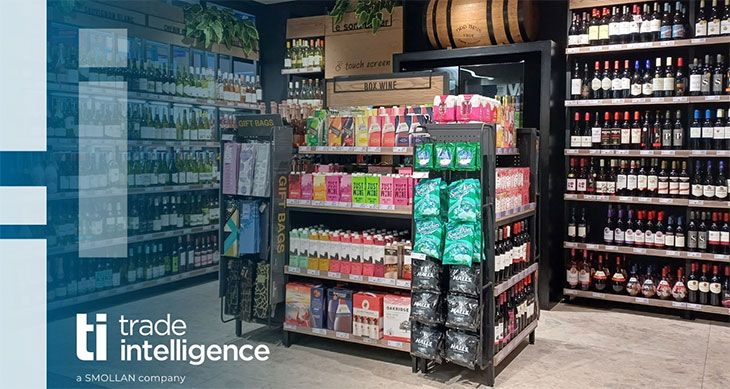
The off‑trade liquor market grew 4.2% to R109bn in 2025, powered almost entirely by corporate grocery retailers muscling into what used to be traditional wholesale territory.
Their weapon? Aggressive estate expansion, with liquor store footprints growing at double the rate of grocery stores and now reaching 75% brand saturation across supermarket networks.
This is not just more stores — it’s strategic adjacency. Liquor outlets positioned next to grocery anchors are capturing bigger weekend missions and pulling shoppers into integrated food‑plus‑liquor baskets.
For suppliers, this raises uncomfortable but necessary questions:
- Are your ranges optimised for cross‑category missions?
- Are your promotions designed for shoppers who buy wine, snacks and braai meat in one trip?
- And at what point does endless expansion start diluting footfall?
Q‑commerce is the real disruptor
The biggest disruption is the smartphone. South Africans are adopting quick‑commerce at speed, shifting from planned stock‑ups to impulse‑driven digital purchases triggered by social gatherings, weather changes and convenience cravings.
This shift has two major consequences:
- Declining in‑store foot traffic, which erodes traditional brand visibility and shopper engagement.
- A rise in immediate‑need missions, where shoppers buy what they want right now, not what they planned yesterday.
Checkers Sixty60 is the undisputed leader, dominating digital liquor purchases across beer, spirits and premixes — because it sits inside a broader grocery mission, not a standalone liquor app.
Suppliers need to rethink digital trade spend:
- Prioritise on‑demand app integration.
- Build in‑app bundles that sit next to everyday grocery lines.
- Stop relying on siloed liquor platforms that shoppers increasingly bypass.
The liquor shopper is becoming a digital convenience shopper, and brands must meet them where they tap.
Taverns: the quiet powerhouse of on‑trade
While much of the on‑trade is still recovering post‑pandemic, taverns are not just surviving, they’re thriving. The channel grew 8% in 2025 and now accounts for 50% of all on‑trade sales.
But taverns play by different rules. Success here depends less on glossy marketing and more on execution fundamentals:
- Cold availability is non‑negotiable — shoppers will leave if their preferred brand isn’t served cold.
- Visibility matters, but reliability matters more.
- Brands win by being present, cold and consistent.
In taverns, the last sip is often the moment that decides the next purchase — and the next brand loyalty.
As our global and local economic climate continues to shrink consumers’ discretionary spend in 2026, the South African liquor industry must find ways to protect margins and capture volume.
Trade Intelligence
To do so successfully, suppliers need to look beyond basic channel definitions and master the primary drivers shaping the sector and changing shoppers’ purchasing behaviours.
The shopper is changing — and the industry must follow
Across channels, shopper behaviour is being reshaped by affordability pressures, premiumisation, convenience culture and shifting missions. To understand where growth will come from, suppliers must track how shoppers move between channels, retailers and occasions, not just headline market growth .
Trade Intelligence’s Liquor Retailing Report 2026/27 dives deeper into these dynamics, offering market sizing, retailer performance, channel shifts and shopper insights for suppliers who want to stay ahead of the curve.
Source: Trade Intelligence