14 Nov 2026 Rooibos secures premium origin status in SA
Rooibos gains another layer of protection and prestige….
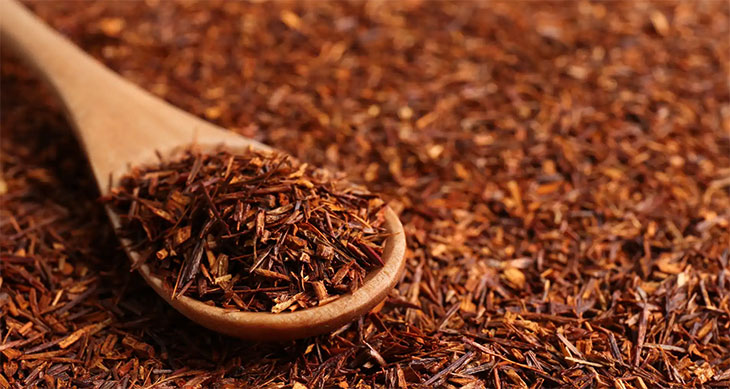
Rooibos has officially been registered as a geographical indication product in South Africa, linking it to the Western and Northern Cape, where it is cultivated.
The designation, which took effect through a recent notice published in the Government Gazette, brings local protection closer in line with the status it already enjoys in the EU.
Geographical indications are used to protect products whose qualities, reputation or characteristics are closely tied to a specific place of origin. Well-known international examples include Champagne from France and Parma ham from Italy.
For rooibos, the GI registration means the name is now formally associated with the unique growing conditions, traditional knowledge and production expertise found within its recognised production area in South Africa.
According to the SA Rooibos Council, the move strengthens protection for the rooibos name and reinforces its identity as a uniquely South African product.
Building on earlier protections
The industry has been working towards stronger origin protection for more than a decade.
The names “Rooibos” and “Red Bush” were first protected under South Africa’s Trade Marks Act in 2013. The category later gained recognition through trade agreements with the European Union, before reaching a major milestone in 2021 when rooibos became the first African food product to be registered as a Protected Designation of Origin (PDO) under the EU’s agricultural quality system.
The latest registration finally gives rooibos a formal place on South Africa’s own agricultural GI register.
SA Rooibos Council chairperson Dawie de Villiers describes the development as a landmark achievement for the sector, noting that both the South African and European systems recognise that rooibos’ distinctive qualities are rooted in its place of origin and generations of local expertise.
Export implications remain in focus
While the registration strengthens rooibos’ brand value and authenticity credentials, exporters continue to face challenges in some international markets.
The SA Rooibos Council noted that pure rooibos exports to the US currently enter duty-free under normal customs arrangements and are not dependent on the African Growth and Opportunity Act (AGOA). However, exports remain subject to a separate 12.5% tariff linked to current US forced-labour measures affecting South African goods.
Although the duty is paid by importers, the council said the knock-on effects could be felt throughout the supply chain through pressure on pricing, margins and demand.
The US accounted for about 427 tonnes of rooibos exports in 2025, representing roughly 4% of total export volumes and making it the industry’s sixth-largest export destination.
For drinks brands, the new GI status adds another layer of provenance and premium positioning to a category already benefiting from growing global demand for naturally caffeine-free and distinctly South African beverages.