


20 Sep 2026 Alt milks are losing momentum
A global category that once surged on climate claims and novelty is now stalling – and dairy is quietly clawing back share.…
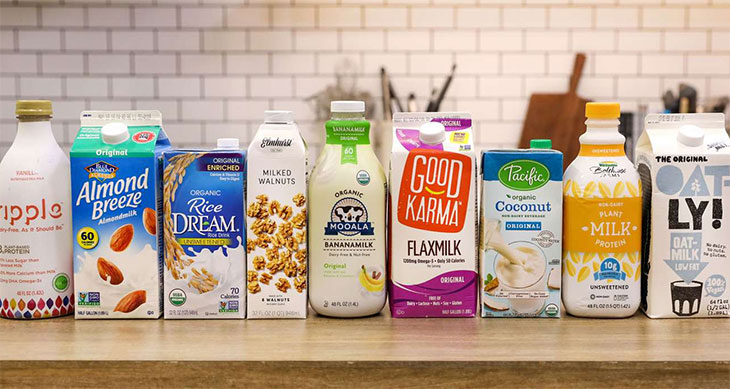
After a decade of hype, plant‑based milks are losing steam. In America, volumes fell 5.4% over the past year , with almond milk – the category leader – dropping 7.9%. Britain saw a 2.5% decline in the year to June, and growth slowed across France, Italy, the Netherlands and Spain.
Meanwhile, dairy milk, long in decline, is ticking up again as consumers return to it for price and perceived health benefits.
Why consumers are switching back to dairy
Plant‑based milks went mainstream in the 2010s, helped by climate‑friendly positioning. Oatly, for example, claims its oat milk has one‑third the climate impact of dairy in Britain.
But several shifts have pushed consumers back to cow’s milk:
- Lower dairy prices since 2023 made traditional milk more attractive to cost‑sensitive shoppers.
- Rising concern about ultra‑processed foods has made shoppers scrutinise labels more closely. Many alt‑milks contain gums, oils, sugars and flavourings.
- Nutritionally, dairy still wins: whole milk has more saturated fat, but plant‑based milks often contain more sugar and significantly less protein — cow’s milk has three to four times the protein of oat milk.
High‑protein dairy products are booming: Arla reports 25% annual revenue growth in quark and skyr since 2024.
How alt‑milk brands are responding
The category isn’t giving up. Instead, brands are pivoting hard into health positioning:
- Alpro is fortifying its milks with calcium, protein, iodine and vitamins as part of its growth strategy.
- Danone’s new Silk Protein range in North America boasts 50% less sugar than regular dairy milk.
- Smaller players like MALK are pushing “gum‑free” formulations to appeal to clean‑label shoppers.
Interestingly, loyal alt‑milk drinkers behave like Diet Coke fans – they treat the product as a distinct beverage, not a substitute for dairy. This helps explain why “milk‑mimicking” plant‑based drinks have flopped, prompting both Arla and Danone to drop failing brands.
The new battleground: novelty and flavour
Producers now believe the future lies in flavour innovation, not dairy imitation.
- Oatly says new flavours are especially popular with younger consumers.
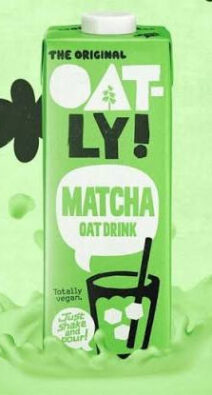
- Its matcha oat milk, launched in 2025, is now its best‑selling flavoured product.
- Alpro’s cinnamon‑roll drink has performed so well that it’s driving a seasonal‑flavour strategy.
- New milks made from pistachios, pecans and barley are appearing on shelves, with social‑media interest rising sharply.
Meanwhile, interest in oat, almond and cashew milks is waning.
The likely outcome? These new alt‑milks may steal share from older plant‑based options, not from dairy itself .
Our takeaway
The plant‑based milk boom has hit a wall. Price sensitivity, label scrutiny, and protein‑centric health trends are pushing consumers back to dairy. Alt‑milk brands are scrambling to reinvent themselves through fortification, clean‑label claims and wild flavours – but the category’s future looks less like a dairy replacement and more like a niche beverage segment fighting for novelty‑driven relevance.
Source: The Economist